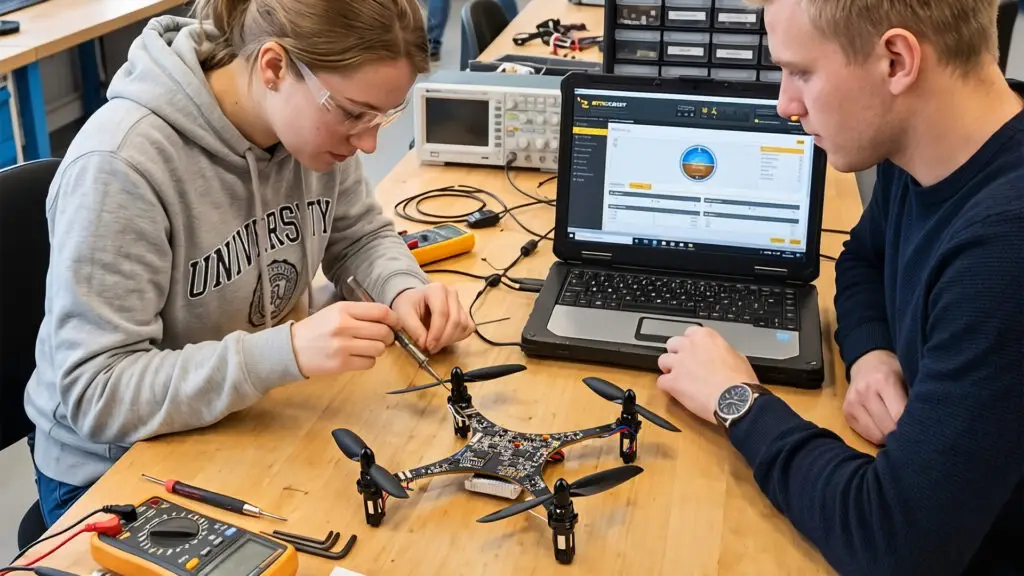
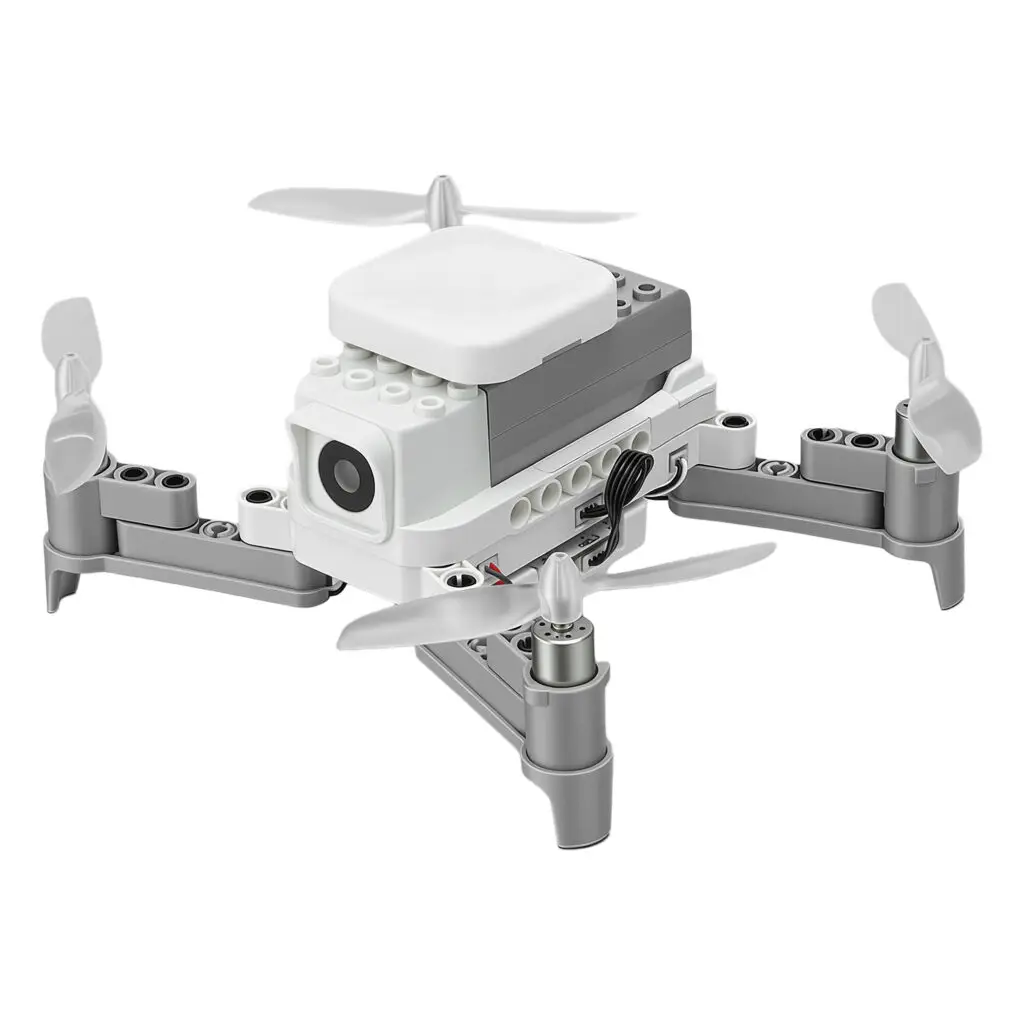
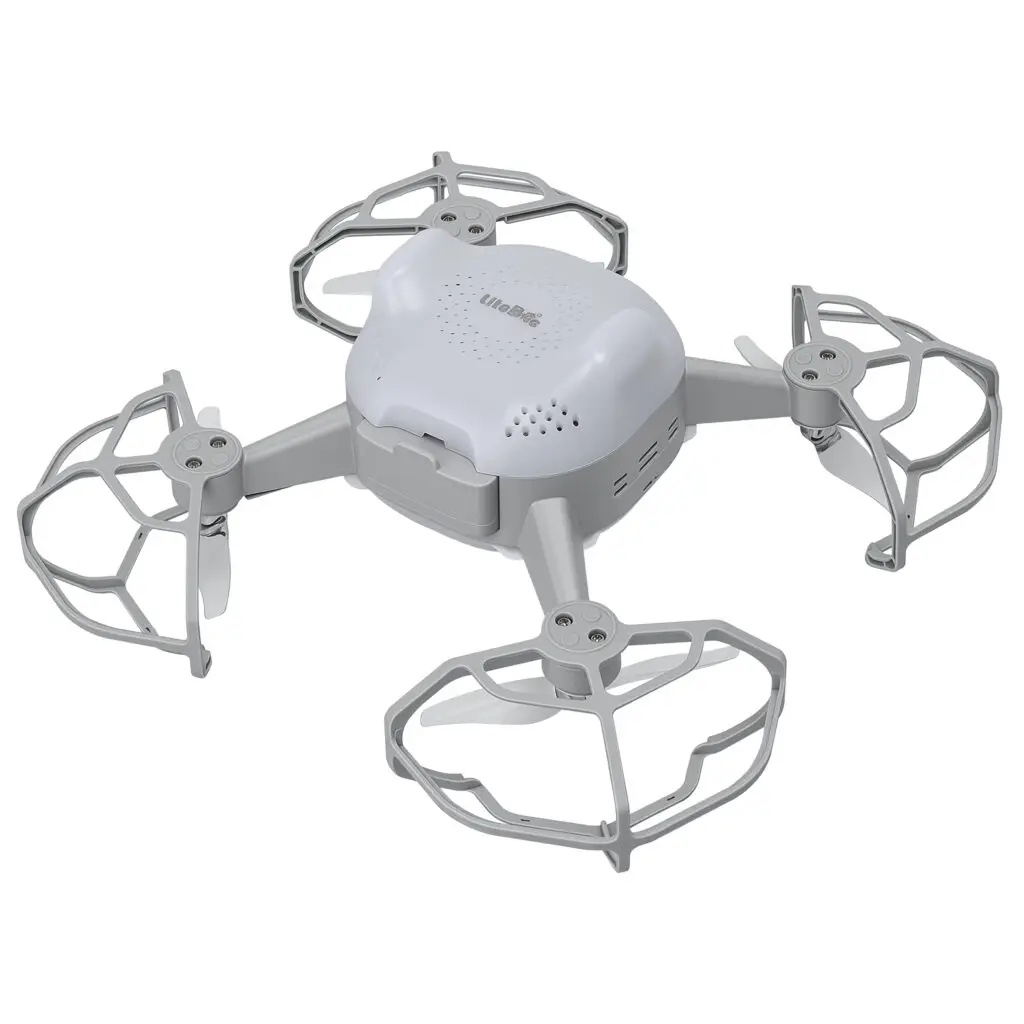
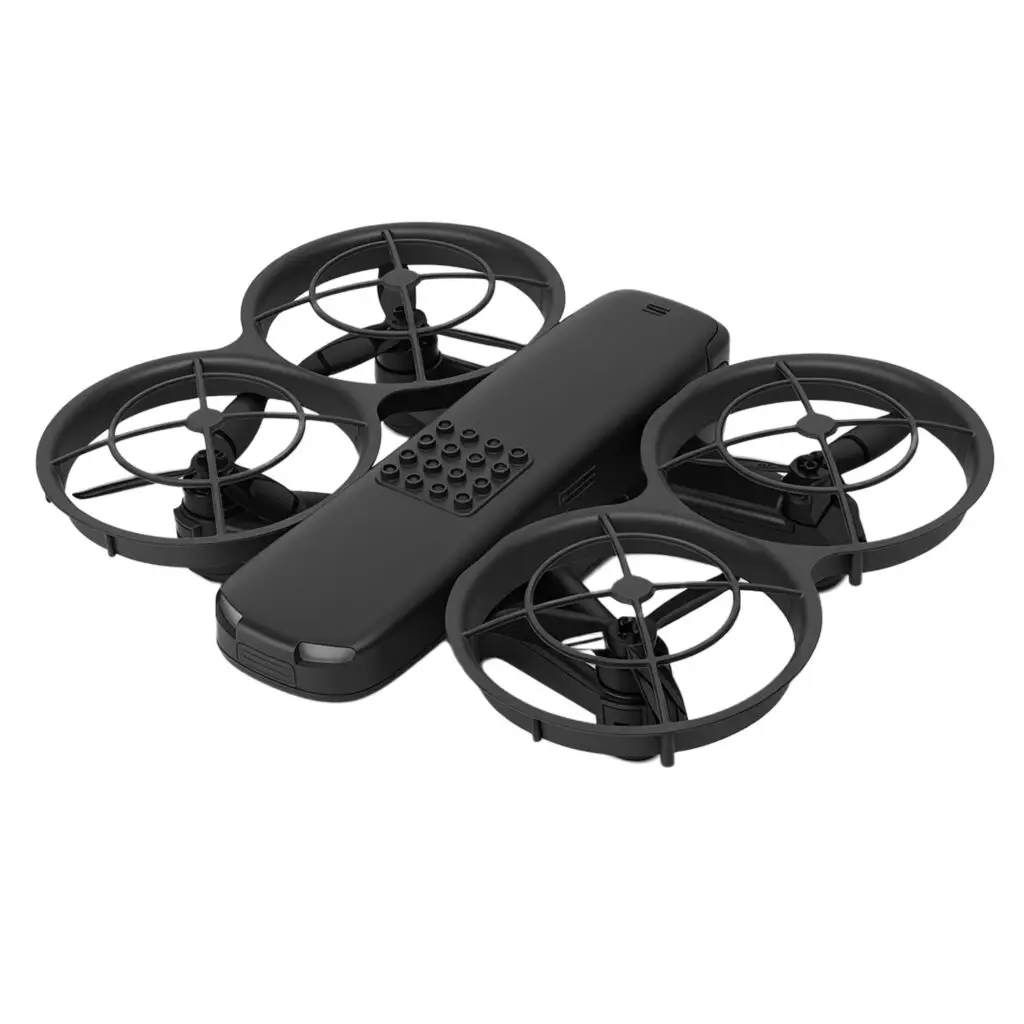
The open-source C+ programmable drone kit for university students, makers and developers. Optimal open source micro quadcopter development platform for university robotics labs.
Crazepony C+ is a fully open-source micro quadcopter built around a 32-bit ARM Cortex-M3 processor. The hardware schematics, flight controller firmware, and Windows tuning utility are all open and freely available on GitHub — so you can read every register, modify every PID value, and make the aircraft truly yours.
I punti salienti che contano
Every feature on Crazepony C+ is designed to give developers transparent, hackable control over a real flying robot.
High-Performance Processor
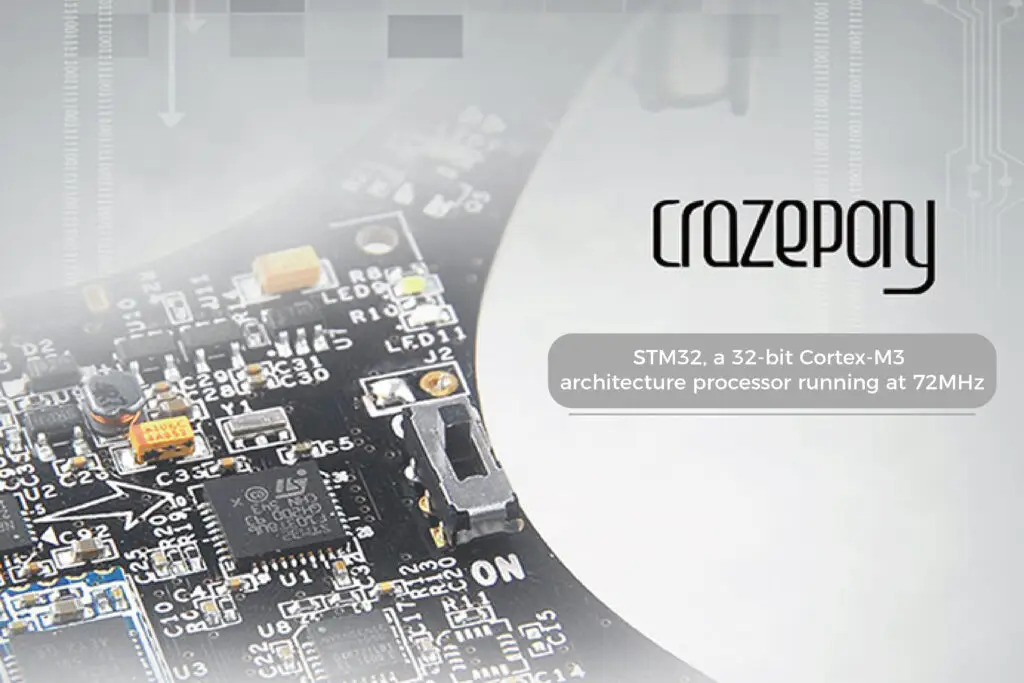
72 MHz 32-bit ARM Cortex-M3 runs flight code in real time.
Palm-Sized Frame
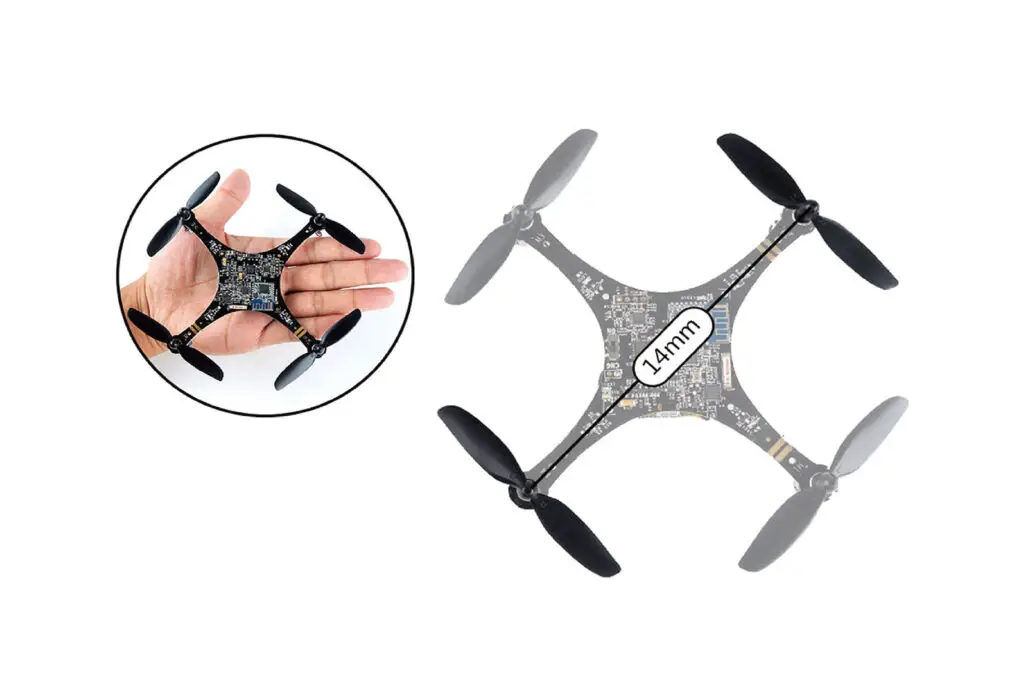
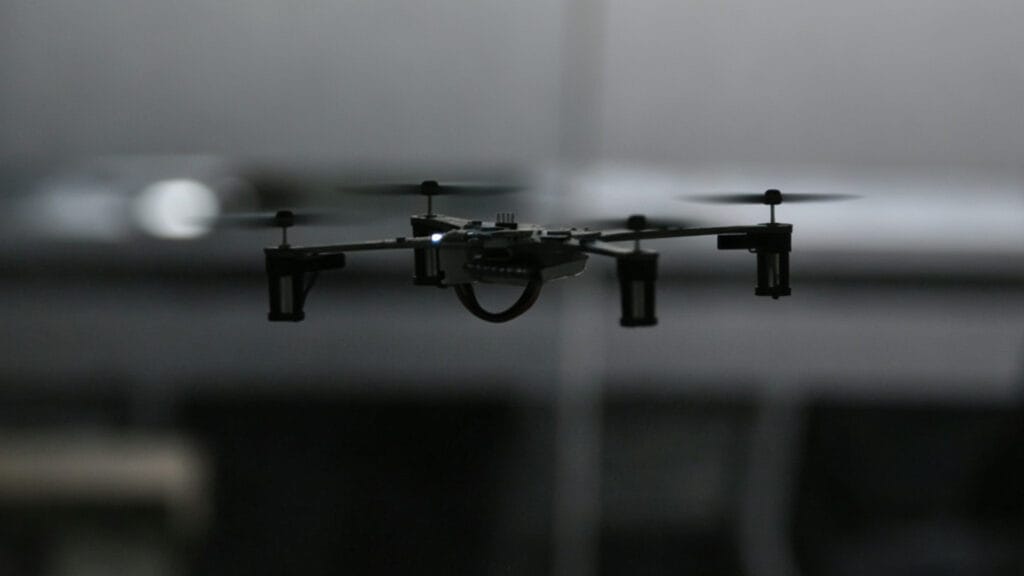
117 mm wheelbase — a true pocket drone for lab and demo flights.
6-Axis Stabilization
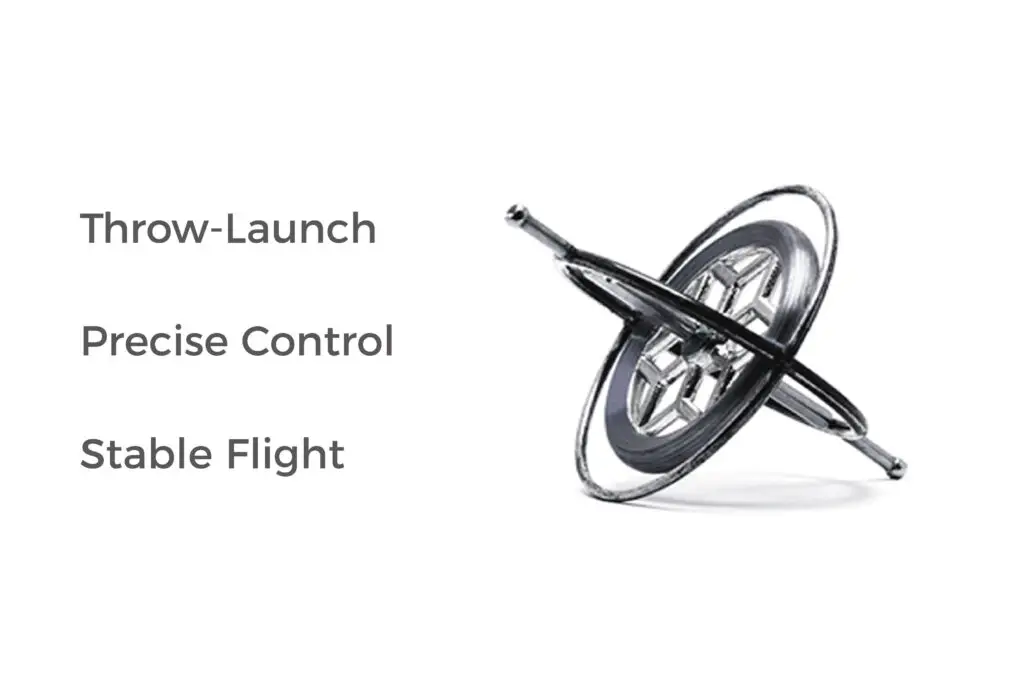
MPU-6050 IMU delivers stable hovering and responsive control.
PC Tuning Station
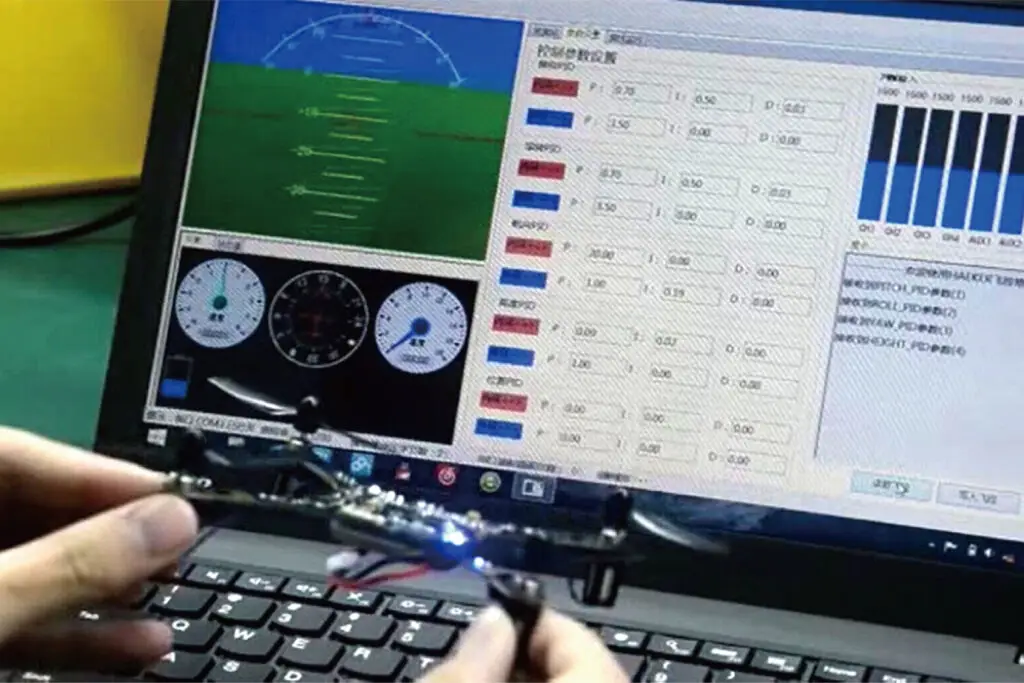
Windows utility for live telemetry, attitude data and PID tuning.
Multi-Protocol Wireless
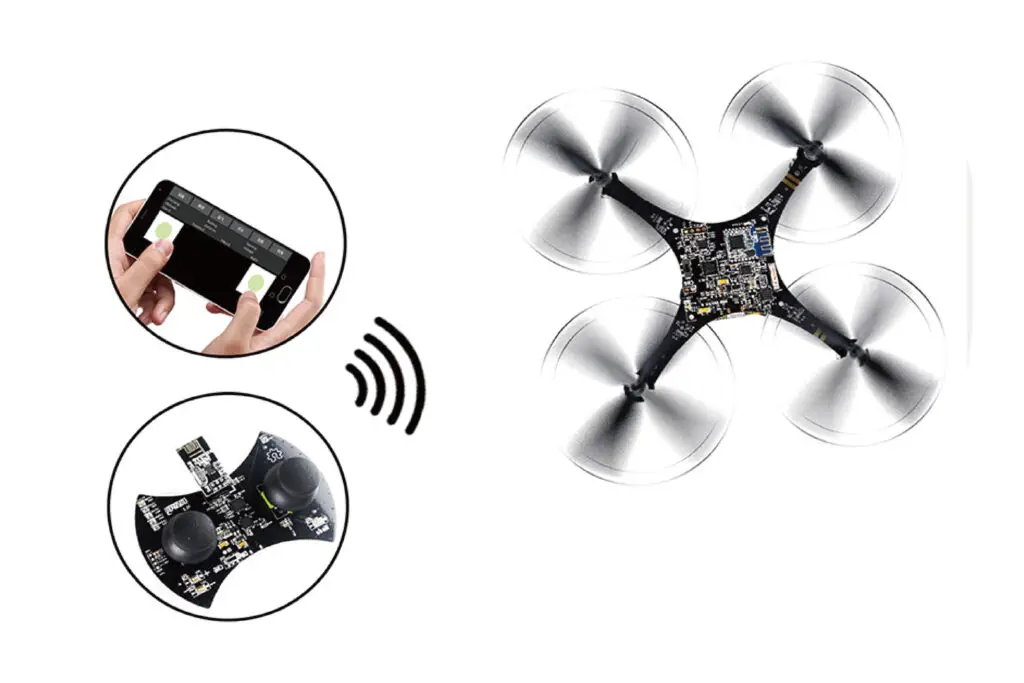
2.4G nRF24L01+, classic Bluetooth and BLE 4.0 built in.
100% Open Source
Full firmware and hardware files on GitHub — fork and modify.
Certificato per le classi
Ogni prodotto LiteBee soddisfa gli standard internazionali di sicurezza e qualità — sottoposto a test indipendenti e dotato di documentazione completa per l’utilizzo nelle scuole.
CE
RoHS
FCC (USA)
UN38.3
Engineered for Tinkering
Crazepony C+ looks compact, but it’s a serious embedded system. The flight-control loop runs on a 72 MHz ARM Cortex-M3, the sensor data is fully exposed over I2C, and the Windows tuning utility gives you live access to every PID parameter — no black boxes.
Propellere
58 mm
Altezza del cerchio
117 mm
Motore
8620 / 44.000 giri/min
Batteria
1S 3.7V 850mAh
Propellere
4.2V / 4.35V
Durata del volo
9 min
Durata del volo
~40 min
Gamma
20m (100m*)
An Open-Source Developer Path
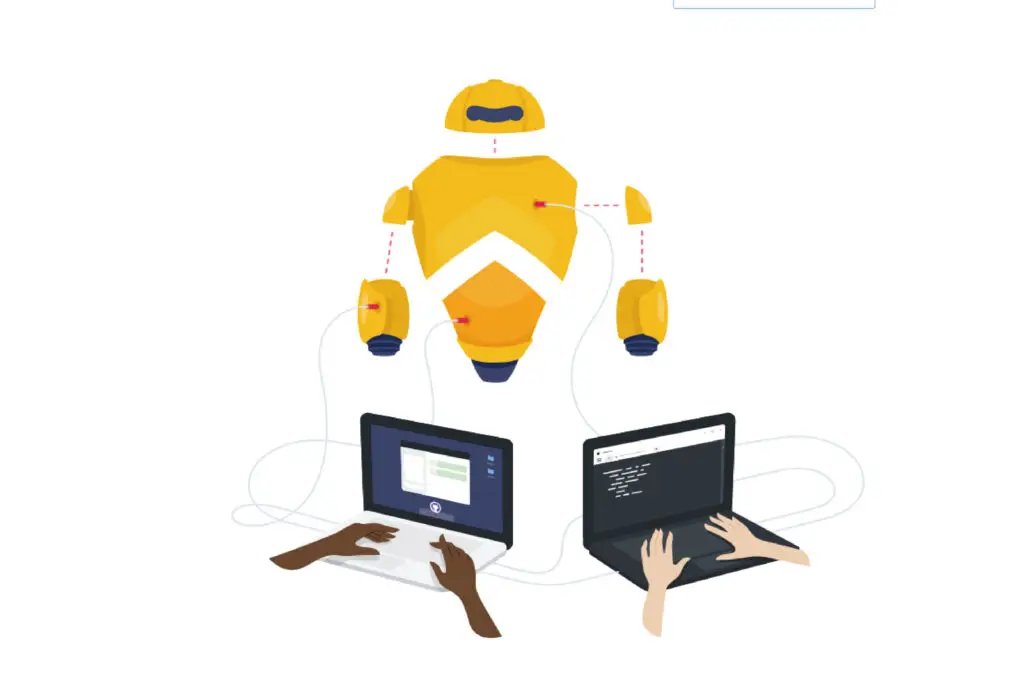
Crazepony C+ is not a step-by-step toy course — it’s a self-directed engineering journey from reading schematics to shipping your own firmware.
University Labs
Embedded systems, control theory and robotics lab courses for engineering undergraduates.
Graduation Projects
Thesis work on flight control, sensor fusion, wireless protocols or swarm algorithms.
Robotics Clubs
Hands-on projects for student teams preparing for UAV and robotics competitions.
Maker Communities
Hackathons, maker fairs and open-source events where code meets flight.